2026-10-11 · David Miller
How to Prepare Your Cooling System for Indiana Winters
Preparing your cooling system for Indiana winters, especially in areas like Downtown Columbus or Taylorsville, primarily involves safeguarding the outdoor unit from harsh elements and ensuring it's not accidentally activated during freezing temperatures. This isn't about complex repairs, but rather simple, preventive measures that can take as little as 30 minutes to an hour of your time, potentially saving you hundreds of dollars in damage from ice, snow, and debris. The goal is to prevent moisture from freezing inside components, protect against physical damage, and ensure the system remains in good condition for efficient operation when the hot, humid summers return to Columbus.
Disconnecting Power to Your Outdoor Unit
One of the most critical steps in preparing your AC for winter is to completely disconnect its power supply. Even though your thermostat might be set to "heat," a power surge or an accidental switch could cause the compressor to kick on when temperatures are well below freezing. Running an AC unit in freezing conditions can cause severe damage, as the refrigerant isn't designed to operate effectively in such cold, and ice can form on the coils, leading to a breakdown. In Bartholomew County, where winter temperatures can regularly drop below freezing, this is a significant risk.
Locate the electrical disconnect box, typically found on an exterior wall near your outdoor condenser unit. This box usually has a pull-out block or a circuit breaker switch. Simply pull the block out or flip the switch to the "off" position. This ensures no electricity can reach the unit. For homes in East Columbus or near landmarks like the Irwin Conference Center, where older electrical systems might be present, it's always wise to double-check that the power is indeed cut before proceeding with any other steps to avoid any electrical hazards.
Cleaning and Covering the Outdoor Unit
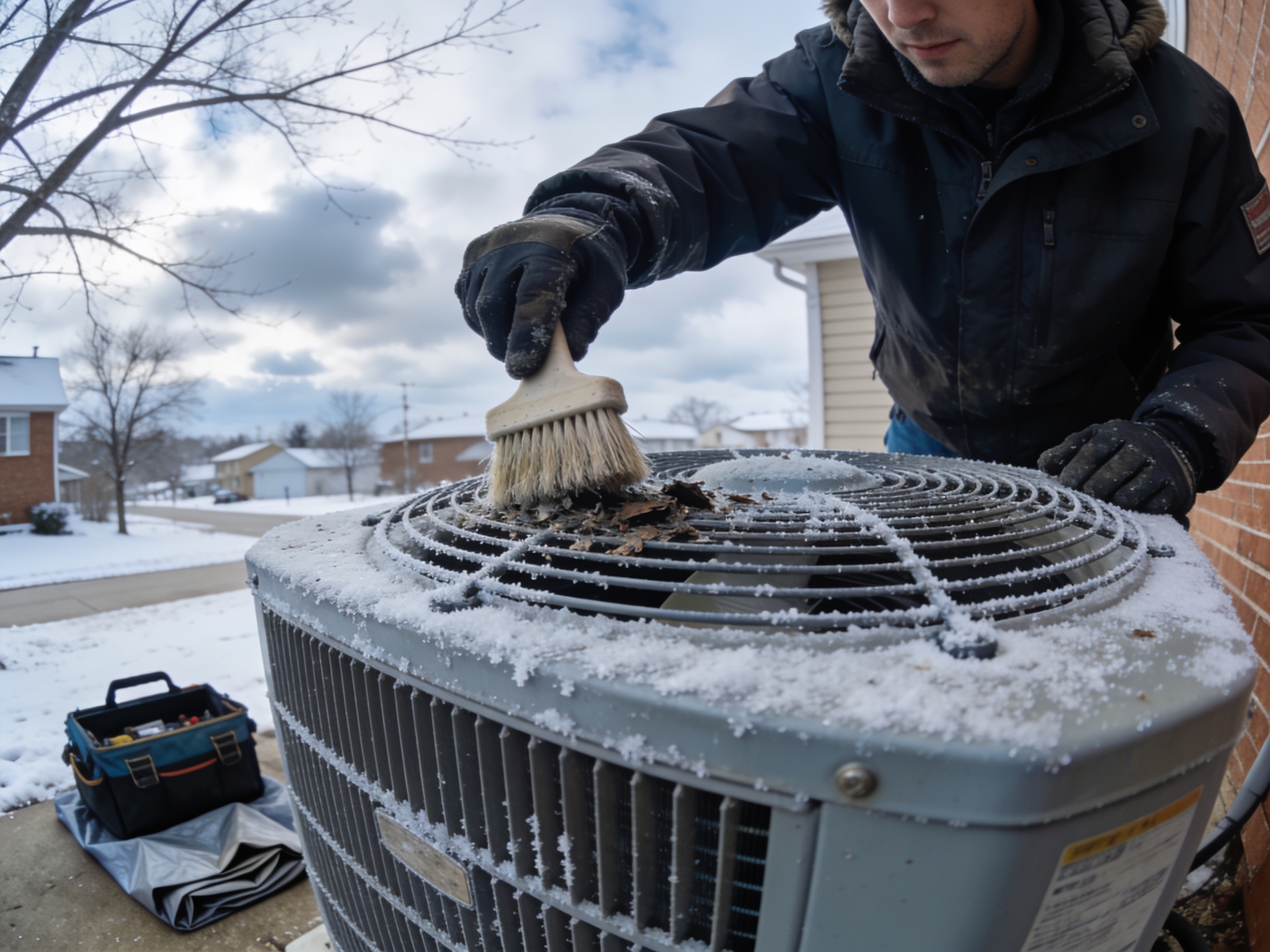
Once the power is off, it's time to clean your outdoor unit. Over the spring and summer, leaves, twigs, dirt, and other debris can accumulate inside and around the condenser coils. Use a soft brush or a garden hose (on a gentle setting) to remove any visible buildup. Ensuring the unit is clean before winter prevents organic matter from decomposing and potentially corroding internal components over several cold, damp months. This simple act of cleaning helps maintain the unit's efficiency and longevity.
After cleaning, consider covering your outdoor unit. While some argue against covers due to potential moisture trapping, a breathable, waterproof cover designed specifically for AC units can offer excellent protection against snow, ice, and falling debris like heavy branches – a real concern in areas with mature trees, common in many Columbus neighborhoods. Ensure the cover allows for some airflow to prevent condensation build-up. Avoid using plastic tarps that can trap moisture and promote rust or mold. A good cover protects the unit's top and sides from direct exposure to harsh winter weather, which is particularly important given Indiana's humid continental climate with its hot summers and cold, often snowy winters.
Insulating Refrigerant Lines
The refrigerant lines, usually two copper pipes, connect your outdoor unit to the indoor evaporator coil. These lines are typically insulated with foam sleeves. Over time, exposure to the elements, especially the intense summer sun and winter cold, can cause this insulation to crack, degrade, or fall off. Damaged insulation reduces the efficiency of your AC system and can leave the lines vulnerable to damage from freezing moisture.
Inspect the insulation on these lines. If you find any cracks, tears, or missing sections, it's a good idea to replace them. You can purchase pre-slit foam insulation tubes at most hardware stores. Simply slide them over the copper lines and secure them with electrical tape or zip ties. Proper insulation ensures that the refrigerant lines are protected from the cold, helping to prevent any residual moisture from freezing and expanding, which could potentially damage the lines. This is a small investment that can prevent larger issues down the line, especially considering the temperature swings we experience in Bartholomew County, from hot summers to cold winters.
Inspecting the Drainage System
While primarily an indoor component, the condensate drain line also needs consideration before winter. During AC operation, this line removes condensation from your indoor unit. Although it's less active in winter, ensuring it's clear of blockages can prevent issues when you restart your AC in spring. A clogged drain line can lead to water backup, which, if it freezes, could cause damage to your indoor unit or even your furnace if they share components.